 |
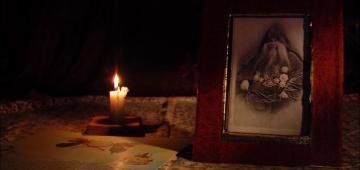
Լուսինե Զաքարյան1992թվական. Հայաստանի համար ծանր ձմեռ է, սով, պատերազմ, ճգնաժամ: Դեկտեմբերի 30-ն է: Հայ ազգը ճանապարհում է սիրելի զավակներից մեկին: Ծերունազարդ Վազգեն Վեհափառ Հայրապետը հոգեհանգստին ասում է. Նա մեզ հետ չէ հիմա... բայց նրա ձայնը մենք կլսենք երկնքից, այնտեղ` երկնքում, նոր հրեշտակ է հայտնվել: Հանրագիտարանը» ներկայացնում է Լուսինե Զաքարյանին: |
 |
Մեծագործ հայրապետըԱզգի բոլոր հիվանդությունների պատճառը տգիտությունն է, և լուսավորությունն է այդ ախտերի բուժման միակ դեղը»,- ասում էր Ամենայն հայոց Գևորգ Դ Կոստանդնուպոլսեցի կաթողիկոսը: Գևորգ Դ-ի գահակալության 16 տարիները գնահատվում են իբրև հայության մտավոր զարգացման, դպրոցաշինության և գրատպության վերելքի շրջան: Հենց նա ձեռնամուխ եղավ հայոց առաջին բարձրագույն ուսումնական հաստատության՝ Էջմիածնի Գևորգյան հոգևոր ճեմարանի հիմնադրմանը: |
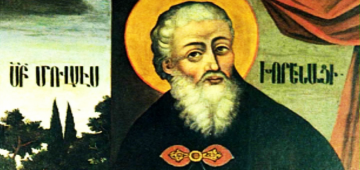 |
Movses Khorenatsi60-ies of the V century: the neighboring village Vagharshapat is hosting the Catholicos of All Armenians Gyut. Those sitting at the table with him ask an old man, who lived there as a stranger, to make a toast to the Catholicos. The old man makes the toast in the style of sharakan (Armenian chant). Everyone is startled. The Catholicos Gyut gets closer to him and bows low to kiss his Teacher he was seeking for so many years. That old man was Movses Khorenatsi, the greatest of written Armenian culture’s Golden age.
|
 |
Makar YekmalyanIn 1895, the Armenian Catholicos of All Armenians Mkrtich Vanetsi issued a special encyclical. Under the encyclical of Khrimian Hayrik, the Armenian Church officially adopted the newly composed Divine Liturgy.
|
 |
Leonard Bernstein“The only power that forces me to make music is the happiness of dealing with people, as I love people as much as I love music, if not more”. Life and creative path of conductor, composer, pedagogue Leonard Berstein in the format of encyclopedia. |
 |
Ruben SevakIn 1915, a young Armenian doctor in Cankiri healed the daughter of a rich and influential Turk. In return, the Turk moved by gratitude, tried to convince the Armenian doctor to adopt Islam and save his life from sure death. However, the doctor didn’t think twice to refuse saying that conversion from one religion into another is betraying your nation.
|
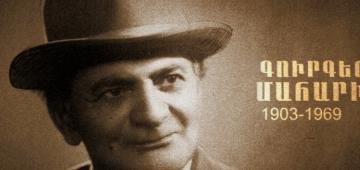 |
Gurgen MahariLife and activities of Gurgen Mahari in the format of TV encyclopedia.
|
 |
Mher Mkrtchyan“I always wonder what that power is that goes from here and turns into a water in man’s eyes. Dear me! I never wanted to become an actor. Yet, step by step, my holy hour came too, dragging me to the theatre, and I never managed to have a childhood.” |
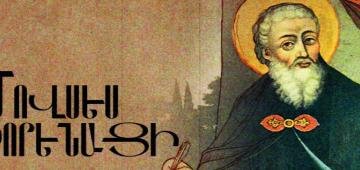 |
Movses Khorenatsi60-ies of the V century: the neighboring village Vagharshapat is hosting the Catholicos of All Armenians Gyut. Those sitting at the table with him ask an old man, who lived there as a stranger, to make a toast to the Catholicos. The old man makes the toast in the style of sharakan (Armenian chant). Everyone is startled. The Catholicos Gyut gets closer to him and bows low to kiss his Teacher he was seeking for so many years. That old man was Movses Khorenatsi, the greatest of written Armenian culture Golden age. |
 |
Martiros SaryanMartiros Saryan wrote about his seventy years of creative life as follows: “I am not satisfied with what I do, I strive for more creative simplicity, so that when people look at my painting, they feel as if they went outside for fresh air and they breath the joy. If the painting doesn’t excite and bring positive feelings about, then it misses what’s most important –the eternal breath of life. I seek to transfer the feeling of happiness for living”. |
 |
To be aired on:The lonely hero sitting in the train takes an imaginary jump into another time and space, and through the nature and personal contemplations returns to the same concrete reality with a certain finding…
|
 |
Sergei DovlatovThroughout all his life, Sergei Dovlatov managed to publish just one story in his “native” soviet press, and the topic was industry. The writer residing in the State and getting published in the most prestigious periodicals, was only known by “self-published” materials and his own program aired by the “Liberty” radio-station. His last book, the 13th, which was supposed to be published in the Soviet Union, was actually published in 1990, a few days after the writer died. |